



Will is incredible! He deeply cares to take care of you and your family when some of the worst things happen to you. I can’t recommend him enough!

Bryce Burnham
If you are looking for Utah Personal Injury Lawyer Practice Areas, you likely need clear answers after an accident changed your health, your work, and your normal routine. William Andrews Injury Attorney helps injured people and families across Utah understand their legal options after serious crashes, unsafe property injuries, and fatal motor vehicle accidents.
The firm handles personal injury cases throughout Utah, with a main office in Salt Lake City. Whether your accident happened on I-15, near downtown Salt Lake City, on a busy road in Provo, or while traveling through another Utah community, you deserve direct legal guidance before the insurance company controls the conversation.
Call William Andrews Injury Attorney at (801) 322-HURT for a free consultation about your injury claim.

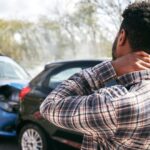
William Andrews Injury Attorney helps injured drivers understand what matters after a Utah car crash. That includes fault, insurance coverage, medical treatment, lost income, pain, long-term recovery, and the evidence needed to support your claim. The sooner you get help, the easier it becomes to protect the facts before the insurance company starts picking at the edges of your case.
Rear-end crashes and intersection collisions happen fast, but the aftermath does not. A driver may look down for two seconds near State Street, miss slowing traffic, and slam into the back of your vehicle. Another driver may roll through a red light at an intersection and blame you before the police even finish the report.
These crashes often create more than vehicle damage. Neck injuries, back pain, concussions, shoulder injuries, and nerve symptoms may show up hours or days later. That delay gives the insurance company room to argue that your injuries did not come from the crash, which makes early documentation matter.
A rear-end collision often looks simple at first, but the insurance process can still get messy. The rear driver may claim you stopped too suddenly, had broken brake lights, or caused the crash by changing lanes. Those arguments can reduce your claim if nobody gathers the right evidence.
Photos of vehicle damage, traffic conditions, skid marks, dashcam footage, and medical records can help show how the collision happened. William Andrews Injury Attorney can review those details and look for the facts that support your version of events. A strong claim starts with proof, not assumptions.
Medical records give your injury claim structure. If you feel pain after a rear-end crash, you should not wait weeks before getting checked. A delay can make the insurance company argue that your symptoms came from work, exercise, age, or another event.
Doctors can document range of motion problems, muscle spasms, headaches, radiating pain, and signs of concussion. Those records can connect your symptoms to the timing of the crash. They can also show whether you need physical therapy, imaging, injections, specialist care, or ongoing treatment.
Intersection crashes often create arguments about who entered first, who had the green light, and who failed to yield. These claims can involve left-turn crashes, red-light violations, rolling stops, speeding, or drivers who misjudge oncoming traffic. A driver who causes the wreck may still tell the insurer a completely different story.
Evidence can settle those disputes before they take over the claim. Nearby business cameras, traffic cameras, witness statements, police reports, and crash scene photos can all matter. William Andrews Injury Attorney can help identify what evidence may exist and push to preserve it before it disappears.
A neutral witness can make a major difference in an intersection crash claim. Someone waiting at a crosswalk, driving in the next lane, or standing near a business may have seen the other driver run the light. Their statement can give your claim support when the at-fault driver denies responsibility.
Witness details can disappear quickly if nobody follows up. People leave the scene, phone numbers get lost, and memories fade. A lawyer can help track witness information and use those statements to challenge a false insurance narrative.
Distracted driving and speeding turn common Utah roads into serious crash zones. A driver checking a text near 400 South or rushing through traffic on I-80 may not have enough time to stop, yield, or avoid a vehicle ahead. When that driver hits you, the insurance company may still try to treat the crash like a routine claim.
These cases need facts that show more than impact. Phone use, speed, road conditions, traffic flow, braking distance, and witness accounts can help prove why the crash happened. When the evidence tells the full story, the claim becomes harder for the insurer to minimize.
Phone use can explain why a driver never braked before impact. A driver may drift lanes, miss stopped traffic, or fail to notice a traffic signal because their attention moved from the road to a screen. That behavior can cause serious injuries in a matter of seconds.
Proving distraction can require more than saying the driver looked down. Police observations, witness statements, admissions at the scene, dashcam footage, and phone records may all become relevant. William Andrews Injury Attorney can review whether distracted driving evidence may support your case.
Certain facts can raise real questions about distraction. No skid marks, no evasive movement, and a straight impact into stopped traffic may suggest the driver failed to react. A witness who saw the driver looking down can strengthen that argument.
The crash pattern matters because insurers rarely accept distraction without pressure. They may argue the driver simply misjudged traffic or had no time to stop. Careful investigation can separate a real mistake from careless phone use.
Speeding changes everything in a crash. It reduces reaction time, increases impact force, and makes injuries more severe. A crash at residential speed can hurt you, but a high-speed collision on a Utah freeway can leave you with months of treatment.
Aggressive drivers may tailgate, weave through traffic, or force unsafe lane changes. When they cause a crash, they may deny how fast they were going. Vehicle damage, road evidence, event data, and witness accounts can help show the speed and force involved.
Vehicle damage can tell part of the crash story. Crushed bumpers, bent frames, broken seats, deployed airbags, and severe rear compartment damage may show a harder impact than the insurance company wants to admit. Repair estimates and photos can help support that point.
This matters when injuries seem disputed. An insurer may call a crash minor because the vehicles look repairable in one photo. A closer review can show the real force involved and help connect the crash mechanics to the injuries you suffered.
Insurance companies move fast after a car accident because they know injured people feel pressure. You may need a rental car, medical treatment, wage replacement, or help with bills. That pressure can make a quick settlement sound tempting before you know how serious your injuries are.
The problem is simple. Once you settle, you usually cannot come back later for more money if your pain gets worse or your doctor finds a more serious injury. William Andrews Injury Attorney can help you slow the process down, review the full damage picture, and respond to insurance tactics with facts.
An adjuster may ask for a recorded statement soon after the crash. They may sound friendly, but the questions can lead you into answers that hurt your claim. A simple phrase like I feel okay today can become a problem if your symptoms worsen later.
Early settlement offers create the same risk. The insurer may offer money before you finish treatment, before your doctor orders imaging, or before you know whether you can return to work. A Utah Personal Injury lawyer can help you understand whether the offer reflects the full value of the claim or only the insurer’s first attempt to close the file.
Insurance adjusters look for statements they can use to reduce responsibility. They may focus on phrases about feeling fine, being unsure, apologizing, or not seeing the other driver until impact. Those words can appear harmless during a stressful call.
You do not need to guess your way through those conversations. Legal guidance can help you avoid giving incomplete answers before you understand your injuries. It can also help you keep the claim focused on medical proof, crash evidence, and actual losses.
Many crash victims wait to see a doctor because they hope the pain will fade. That decision can hurt the claim, even when the pain is real. The insurance company may argue that a serious injury would have required immediate treatment.
Delayed treatment does not always destroy a case, but it creates a fight. Medical records must explain symptoms, timing, diagnosis, and the reason for any gap in care. William Andrews Injury Attorney can help organize those records and address insurance arguments about delay.
One doctor visit may not show the full injury. Pain can change, symptoms can spread, and some injuries need time to develop. Follow-up appointments help document whether your condition improves or gets worse.
Consistent treatment also shows that you took the injury seriously. If you skip appointments or stop care too early, the insurance company may claim you recovered. A clear treatment timeline helps protect the value of your claim.
A Utah car accident claim can involve more than the first hospital bill. Serious injuries may affect your job, sleep, family responsibilities, hobbies, driving confidence, and ability to handle basic daily tasks. If you cannot lift your child, sit through work, or sleep without pain, those losses deserve attention.
Compensation depends on the facts of the crash, the available insurance, the severity of your injuries, and the proof supporting your damages. William Andrews Injury Attorney can help identify the losses that need to be included before negotiations begin. The goal is to avoid a narrow claim that ignores the way the crash actually affected your life.
Medical bills can include ambulance care, emergency room treatment, diagnostic imaging, surgery, physical therapy, specialist visits, medication, and follow-up appointments. Some people need treatment for weeks. Others need care for months or years.
Future treatment can become one of the most disputed parts of a car accident claim. The insurance company may argue that you should already feel better or that future care is unnecessary. Medical opinions, treatment plans, and records can help show what care you still need.
Settlement talks often start before treatment ends. That can create a serious problem if the claim does not include future care. You may still need therapy, injections, surgery consultations, pain management, or follow-up imaging.
Those costs should be considered before you accept an offer. Once the claim closes, you may have to pay future bills yourself. A Utah Personal Injury lawyer can help review whether the settlement offer accounts for what your doctors expect next.
A crash can affect your paycheck right away. You may miss shifts, lose overtime, use paid time off, or struggle to perform your normal job duties. For someone who works construction, drives for a living, stands all day, or handles physical labor, even a moderate injury can create serious financial pressure.
Reduced work ability can also affect your future. If you cannot return to the same position or work the same hours, your claim may need to account for that loss. Pay stubs, employer statements, tax records, and medical restrictions can help prove income damage.
Doctor-ordered restrictions can help connect your injury to missed work. A note limiting lifting, standing, driving, bending, or screen time can explain why you could not perform your job. Those records matter because insurers often question whether time off was truly necessary.
Your employer can also help document the impact. Missed shifts, reduced hours, changed duties, and lost bonuses may all support your claim. Clear documentation can turn a vague wage complaint into a stronger financial loss argument.
Pain and suffering cover the human cost of a crash. It can include physical pain, sleep problems, anxiety while driving, loss of mobility, and the frustration of needing help with simple tasks. These damages can matter deeply because an accident affects more than invoices.
Daily disruption can look different for every person. One injured driver may struggle to sit through a workday. Another may miss family activities, stop exercising, or need help carrying groceries. William Andrews Injury Attorney can help explain those losses in a way the insurance company cannot brush aside.
Specific details make pain and suffering easier to understand. Saying your back hurts is one thing. Explaining that you can no longer drive from Salt Lake City to Provo without stopping from pain gives the claim more weight.
A journal, family observations, medical notes, and examples from your normal routine can all help. These details show how the crash changed your day, not just your medical chart. The more concrete the proof, the harder it becomes for the insurer to treat your suffering as minor.
Every Utah vehicle claim runs on the same foundation of fault, coverage and deadlines. Our Utah car accident claim guide explains how those pieces fit together before you speak with an adjuster.

A truck accident can hit with a level of force that changes everything in seconds. A fully loaded semi can crush a passenger vehicle on I-15, sideswipe a driver near downtown Salt Lake City, or cause a chain reaction crash during heavy traffic through Utah County. These cases are not normal car accident claims with bigger vehicles. They involve commercial rules, company records, insurance layers, driver logs, vehicle maintenance, and fast-moving defense teams.
William Andrews Injury Attorney helps injured people look past the surface story after a serious truck crash. The truck driver may have made the final mistake, but the deeper problem may involve rushed schedules, poor maintenance, overloaded cargo, unsafe hiring, or pressure from a trucking company that wanted freight delivered faster than safety allowed.
Semi truck crashes often happen on major routes where speed, weight, traffic, and long travel hours all come together. A driver on I-80 may face a sudden lane change from a tractor-trailer. A family traveling near Salt Lake City may get caught behind a truck that cannot stop in time. The impact can cause severe injuries because passenger vehicles offer little protection against commercial truck weight.
These cases demand quick action because evidence can disappear. Skid marks fade, damaged vehicles get repaired, and trucking companies may control records that explain what happened before the crash. A Utah truck accident lawyer can help secure the details that show how the collision happened and why the injuries deserve serious attention.
A jackknife crash happens when the trailer swings out at an angle from the cab. These crashes can block several lanes and trap smaller vehicles with almost no room to escape. Wet roads, hard braking, speeding, poor tire condition, or driver error can all cause a truck to lose control.
The aftermath can turn chaotic fast. One driver may hit the trailer, another may swerve into a barrier, and several vehicles may collide before traffic stops. William Andrews Injury Attorney can review the crash scene, truck movement, road conditions, and driver decisions to help identify what triggered the loss of control.
Brakes matter in every vehicle, but they carry extra weight in a truck accident claim. A semi truck needs a longer stopping distance than a passenger car. If the brakes fail or perform poorly, the driver may lose control before there is any safe way to recover.
Maintenance records can show whether the trucking company inspected and repaired the brake system. Inspection reports, repair logs, and driver complaints can reveal warning signs that someone ignored. Those records can become powerful proof when a company tries to blame the crash on bad luck.
A rear-end crash involving a commercial truck can cause devastating injuries. A truck driver who follows too closely through Salt Lake City traffic may not stop in time when vehicles slow ahead. The weight of the truck can drive a smaller car forward into another vehicle, barrier, or intersection.
These crashes often involve disputed reaction time. The trucking company may argue that traffic stopped suddenly. The injured person may know the truck had plenty of time to slow down. Dashcam footage, witness statements, vehicle damage, and electronic data can help show whether the truck driver failed to react safely.
Many commercial trucks contain electronic data that can help explain what happened before impact. That data may show speed, braking activity, throttle use, and sudden changes in movement. It can answer questions that a driver may avoid answering directly.
This information needs protection early. If nobody requests it quickly, the company may claim it no longer exists or cannot be recovered. A Utah Personal Injury lawyer can send preservation demands and push for the records that help prove how the crash unfolded.
Fatigue turns a commercial truck into a danger. A tired driver can drift out of a lane, miss brake lights, misjudge distance, or fall asleep for a moment at highway speed. One second of lost attention can destroy a vehicle and leave someone facing surgery, lost income, and months of painful recovery.
Trucking companies may share responsibility when they push drivers too hard or ignore warning signs. A company that rewards rushed delivery, hires unsafe drivers, or fails to monitor hours can help create the conditions for a crash. William Andrews Injury Attorney can look at both the driver and the company when building a Utah truck accident claim.
Truck drivers must follow limits on driving time and rest periods. These rules exist because long hours behind the wheel can slow reaction time and impair judgment. A driver who pushes beyond safe limits may become a danger to everyone nearby.
Driver logs, dispatch records, fuel receipts, GPS data, and delivery schedules can help show whether the driver followed the rules. If the records do not match, that can raise serious questions. A careful review can expose whether fatigue played a part in the crash.
Logbooks can tell a story that the trucking company does not want told. They may show long stretches of driving, short rest breaks, or patterns that suggest a driver stayed on the road too long. Digital logs can also show whether the truck moved when the driver should have been resting.
These records need comparison with outside proof. Fuel stops, toll records, receipts, and GPS data can confirm or challenge what the logbook says. When the documents conflict, the claim may reveal more than simple driver error.
A trucking company should not put an unsafe driver behind the wheel of a large commercial vehicle. If a driver has a history of crashes, violations, failed drug tests, or unsafe driving, the company needs to take that record seriously. Ignoring those facts can place Utah drivers in danger.
Supervision also matters after hiring. A company may know that a driver speeds, skips inspections, or violates safety rules. If the company keeps sending that driver onto the road, it may share responsibility when a crash happens.
Employment files can reveal whether a trucking company made a safe hiring choice. These records may include driving history, training materials, safety reviews, disciplinary records, and crash reports. They may also show whether the company investigated prior problems.
A company may resist turning over these records because they can expose poor decisions. That resistance does not make the records less important. A Utah Personal Injury lawyer can pursue the documents needed to show whether the crash came from a larger safety failure.
Truck accidents do not always start with the driver. A loaded trailer can become dangerous when cargo shifts, weight exceeds safe limits, or a company fails to secure materials correctly. A truck can also become unsafe when worn tires, bad brakes, broken lights, or steering problems go unrepaired.
This is where truck accident claims get more complex. The driver, trucking company, cargo loader, maintenance contractor, or vehicle owner may all play a part. William Andrews Injury Attorney can review the facts to identify who had control over the truck before it caused harm.
An overloaded truck takes longer to stop and becomes harder to control. If cargo shifts during travel, the trailer may pull the cab sideways or cause a rollover. On Utah highways with changing elevation, curves, and fast traffic, unstable cargo can create a serious hazard.
Cargo records can show what the truck carried and who loaded it. Weight tickets, bills of lading, loading diagrams, and inspection notes may help explain whether the truck exceeded safe limits. Those documents can point toward parties beyond the driver.
Loading records can show who handled the cargo before the truck entered the road. A warehouse, freight company, shipper, or third party loading crew may have made a mistake that caused the crash. If cargo was placed poorly or secured badly, that company may need to answer for its role.
The details matter. A single missing strap, poor weight distribution, or a loose pallet can create a major road danger. A lawyer can help trace the cargo process and identify the companies connected to the unsafe load.
Commercial trucks need regular inspection and repair because small mechanical problems can become life-threatening at highway speed. Bad tires can blow out. Worn brakes can fail. Broken lights can make a trailer harder to see at night.
Maintenance failures may show that a company chose delay over safety. Repair logs, inspection reports, driver complaints, and service records can reveal whether the truck had known problems before the crash. Those records can help prove that the wreck was preventable.
A tire blowout can cause a truck driver to lose control, scatter debris, or drift into another lane. A brake failure can turn slowing traffic into a deadly trap. These mechanical failures deserve close attention because they may trace back to ignored maintenance.
The trucking company may call the failure sudden and unavoidable. Records may show something different. Prior complaints, uneven tire wear, missed inspections, or overdue repairs can turn a mechanical excuse into evidence of negligence.
Truck accident evidence can move quickly out of reach. The company may send investigators to the crash scene before the injured person leaves the hospital. Insurance carriers may start building defenses while your family is still trying to understand the medical news.
That is why early legal help can change the direction of a truck accident claim. William Andrews Injury Attorney can help preserve records, review crash evidence, communicate with insurers, and push back when the trucking company tries to narrow the facts. Serious truck crashes need serious proof.
Police reports can provide an early record of the crash. They may include driver statements, witness names, crash diagrams, road conditions, citations, and officer observations. These details can help build a foundation for the injury claim.
Crash scene evidence can add another layer. Photos of vehicle positions, debris fields, skid marks, road damage, and traffic controls can show how the crash occurred. The sooner someone documents the scene, the better the chance the evidence has of staying useful.
Photos and video can capture details that later disappear. Skid marks fade, vehicles move, debris gets cleared, and traffic resumes. A photo taken in the first hour may show facts that become impossible to recreate later.
Nearby cameras can also matter. Gas stations, warehouses, traffic cameras, dashcams, and commercial buildings may have footage of the crash or the seconds before impact. A Utah Personal Injury lawyer can help identify these sources and request the footage before it gets erased.
Trucking company records can explain what the driver and company did before the crash. Those records may include driver logs, dispatch messages, inspection reports, maintenance documents, training files, and safety policies. Each record can help answer whether the crash came from careless driving, company pressure, poor maintenance, or unsafe operations.
Insurance evidence also matters because commercial truck claims often involve large policies and multiple carriers. The driver may have one layer of coverage, the trucking company may have another, and separate companies may carry additional policies. A lawyer can help identify the available coverage and demand that insurers take the claim seriously.
A preservation letter tells the trucking company to keep important evidence. This can include electronic data, driver logs, maintenance records, dashcam footage, inspection reports, and dispatch communications. Without that demand, a company may later argue that records were deleted under routine procedures.
Timing matters. Some electronic information can be overwritten quickly. A Utah Personal Injury lawyer can act early to protect records that may prove fault, company negligence, and the true cause of the crash.
Will is incredible! He deeply cares to take care of you and your family when some of the worst things happen to you. I can’t recommend him enough!
Bryce Burnham
I’ve found Will Andrews to be a good and honorable attorney . He’s intelligent, thoughtful, and works hard for the best interests of his clients. He will get great results! I highly recommend him in all personal injury matters!
Lane Clark
not my lawyer but i just saw the most incredible advertisement on youtube. if i ever need a personal injury lawyer, i know who to call. this guy WILL fight for you
Donni Elle
A motorcycle crash can leave a rider exposed to the full force of the road, the vehicle, and the insurance fight that comes next. One careless turn near a Salt Lake City intersection can cause broken bones, road rash, a head injury, or months away from work. The crash may last seconds, but the claim can become a hard fight if the driver says they never saw you.
William Andrews Injury Attorney helps injured motorcycle riders across Utah deal with the proof, pressure, and blame that often follows a serious crash. These cases need more than a quick insurance form. They need careful evidence, clear medical records, and a legal strategy that shows exactly how the driver’s choices hurt you.
Left turn crashes are one of the most dangerous situations for motorcycle riders. A driver may turn across traffic near State Street, pull out near a shopping center, or misjudge a rider’s speed at a busy Salt Lake City intersection. The driver may say the motorcycle appeared out of nowhere, but that does not make the rider responsible.
These crashes often come down to visibility, timing, speed, and right of way. A rider who had the lane, followed the speed limit, and moved with traffic should not carry the blame for a driver who failed to look. Strong evidence can push back against the tired excuse that the driver simply did not see the motorcycle.
A failure to yield crash can happen when a driver turns left in front of an oncoming rider. The rider may have no safe escape route. Swerving can send the motorcycle into another lane, while hard braking can throw the rider forward or cause a slide.
The evidence needs to show where each vehicle was before impact. Police reports, traffic signal timing, witness statements, vehicle damage, and road markings can help prove the driver failed to yield. William Andrews Injury Attorney can review these details and look for the facts that support the rider’s claim.
Turn lanes can reveal important details after a motorcycle crash. Skid marks, debris location, vehicle resting positions, and lane markings can help show whether the driver cut across the rider’s path. Those details can matter when the driver tries to shift blame.
Photos taken soon after the crash may preserve facts that disappear quickly. Traffic clears, debris gets swept away, and vehicles leave the scene. Early documentation can protect the rider from a driver’s changing story.
Drivers often claim they did not see the motorcycle. That statement may explain what happened, but it does not excuse unsafe driving. Drivers have a responsibility to look carefully before turning, changing lanes, or entering traffic.
Visibility claims need a serious response. Lighting, weather, road design, traffic flow, motorcycle position, and witness observations can all help show whether the rider was there to be seen. A driver’s failure to notice a motorcycle can still support a negligence claim.
A witness can help break through a driver’s excuse. Someone in another vehicle, on a sidewalk, or near a business may have seen the motorcycle traveling normally before the turn. That statement can challenge the claim that the motorcycle came out of nowhere.
Witnesses also help confirm traffic signals, speed, and driver behavior. Their statements can support the rider when the insurance company wants to frame the crash as a mystery. William Andrews Injury Attorney can help gather and use witness information before memories fade.
Lane-change motorcycle accidents can happen when a driver moves into a rider’s path without checking mirrors or blind spots. A motorcycle may be smaller than a car, but it still has the same right to the lane. When a driver drifts, merges, or swerves without looking, the rider can pay the price.
These crashes can throw riders into traffic, barriers, or the pavement. They can also create fault disputes because the driver may claim the motorcycle was speeding or weaving. The claim needs proof that shows the driver failed to make a safe lane change.
Unsafe merging can happen near freeway ramps, construction zones, and crowded city streets. A driver may rush onto I-15, cut across lanes near downtown Salt Lake City, or move over without signaling. A rider in that lane may have only a split second to react.
These crashes often involve tire marks, vehicle scrape patterns, and witness accounts. Damage location can help show who entered whose lane. William Andrews Injury Attorney can examine whether the physical evidence supports the rider’s version of the crash.
Damage patterns can help explain how a lane change crash happened. Scrapes along the side of a car, impact marks on the motorcycle, and broken mirrors can show the movement of both vehicles. These details can expose a driver who claims the rider caused the collision.
The direction of impact matters because insurers often look for ways to blame motorcyclists. A careful review can show whether the driver merged into the rider’s space. That proof can help keep the claim focused on the driver’s unsafe movement.
Blind spot crashes happen when drivers fail to look beyond their mirrors. A motorcycle can disappear from a driver’s mirror view for a moment, especially near larger vehicles, multi-lane roads, or heavy traffic. That risk makes shoulder checks and cautious lane changes even more important.
A driver who skips that check can force a rider into a dangerous situation. The rider may brake hard, swerve, or collide with the side of the vehicle. These split-second reactions can cause severe injuries even when the rider avoids direct impact.
Camera footage can be powerful in a blind spot accident claim. Dashcams, business cameras, and traffic cameras may show lane position, signals, speed, and how the driver moved before the crash. Video can shut down speculation fast.
Footage can also show whether the rider had a safe lane position before the driver merged. This matters when the insurance company tries to claim the rider was hidden or careless. A Utah Personal Injury lawyer can help identify possible camera sources and request footage before it disappears.
Motorcycle injuries can be severe because riders do not have the protection of a vehicle frame, airbags, or seat belts. A crash can cause road rash, fractures, concussions, spinal injuries, shoulder damage, and internal injuries. Even a lower-speed collision can leave a rider with painful treatment and a long recovery.
Insurance companies may focus too much on the visible injuries and ignore the more serious damage. A rider may have skin wounds that look obvious, but the real fight may involve nerve pain, limited mobility, headaches, dizziness, or long-term joint problems. William Andrews Injury Attorney can help document the full medical impact of the crash.
Road rash can involve more than surface scrapes. Serious road rash can remove layers of skin, embed gravel, damage nerves, and cause infection. Some riders need wound care, debridement, skin grafts, or follow-up treatment to prevent complications.
These injuries can also cause scarring that affects comfort, movement, and confidence. A rider may struggle to sleep, shower, wear normal clothing, or return to work. Medical photos, wound care records, and specialist notes can help show the seriousness of the injury.
Treatment records can show how deep and painful road rash injuries are. Emergency records, wound care notes, prescriptions, photos, and specialist referrals can help prove that the injury required real medical attention. These records can also show how long healing took.
A quick insurance review may treat road rash as minor. That can be wrong. Detailed records can show pain levels, infection risk, scarring, and the treatment needed to recover.
Broken bones are common in motorcycle crashes. Riders may suffer fractured wrists, ankles, legs, ribs, shoulders, or collarbones when they hit the ground or another vehicle. These injuries can require casts, surgery, plates, screws, therapy, and months of limited movement.
Orthopedic injuries can affect work and daily life in direct ways. A rider who works with tools, drives, lifts, stands, or uses stairs may lose income quickly. Medical restrictions and therapy notes can help connect the injury to real financial loss.
Some fractures need surgical hardware to hold the bone in place. Plates, screws, rods, and pins can help repair the injury, but they can also leave stiffness, pain, and lasting limitations. A rider may heal enough to return to life, but not enough to feel the same as before.
Future problems can also appear after the first recovery period. Arthritis, weakness, reduced range of motion, and chronic pain may affect the rider for years. A strong claim should account for these risks when medical evidence supports them.
A helmet can reduce risk, but it cannot prevent every brain injury. A rider can suffer a concussion or traumatic brain injury when the head hits the pavement, a vehicle, or another object. Symptoms may include headaches, dizziness, memory problems, light sensitivity, mood changes, nausea, or trouble concentrating.
Brain injuries can be easy for insurers to question because they do not always show up clearly on basic imaging. That makes symptom tracking, medical evaluation, and follow-up care extremely important. William Andrews Injury Attorney can help connect those records to the crash and push back against attempts to dismiss the injury.
A rider should take head symptoms seriously after any crash. Headaches, confusion, vomiting, balance problems, blurred vision, and unusual fatigue can point to a concussion or worse. Waiting too long to seek care can create medical and legal problems.
Insurance companies may use delay as an argument against the claim. They may say the injury was not serious or did not come from the crash. Early medical attention and consistent follow-up can help protect both the rider’s health and the injury claim.
Motorcyclists often face unfair assumptions after a crash. The insurance company may suggest the rider was speeding, lane splitting, weaving, or taking risks before any real investigation happens. That bias can reduce the value of a claim if it goes unanswered.
William Andrews Injury Attorney helps riders challenge those assumptions with facts. The issue is not whether someone rides a motorcycle. The issue is whether another driver acted carelessly and caused harm. A strong claim keeps the focus where it belongs.
Speeding allegations are common after motorcycle crashes. A driver may claim the rider was going too fast because they did not see the motorcycle in time. The insurance company may repeat that argument because it helps reduce responsibility.
Real proof matters more than guesswork. Road evidence, witness statements, camera footage, impact points, and crash reconstruction can help show whether speed actually caused the collision. Without evidence, a speeding claim may be nothing more than blame dressed up as analysis.
Impact location can help show what happened before a crash. If a driver turned directly across the motorcycle’s path, the location of the damage may support the rider’s right of way. It may also show that the driver gave the rider too little time to react.
This kind of detail matters when the insurer tries to make the crash about speed. The more clearly the physical evidence explains the collision, the harder it becomes to rely on assumptions. William Andrews Injury Attorney can use those facts to challenge unfair blame.
Insurance companies may try to use helmet questions to shift attention away from the driver’s negligence. They may argue about injury severity, medical causation, or whether the rider protected themselves. These arguments can distract from the driver who caused the crash.
Helmet use can matter in some injury discussions, but it does not automatically decide fault. A driver who fails to yield, merges unsafely, or runs a red light still needs to answer for that conduct. The claim should stay grounded in evidence, not stereotypes.
Medical proof can help clarify which injuries came from the crash and how they occurred. Doctor notes, imaging, specialist reports, and treatment timelines can explain the connection between the collision and the rider’s condition. That evidence can reduce confusion in helmet-related disputes.
The insurance company may try to simplify the story in its favor. Good medical documentation makes that harder. It shows what injuries exist, how they affect the rider, and what treatment may be needed next.
Rider bias can affect how insurance companies evaluate claims. Some adjusters assume motorcycle riders accept danger by riding. That assumption is not a legal defense to careless driving.
A rider has the right to use Utah roads safely. Drivers must check mirrors, yield when required, obey traffic signals, and avoid unsafe turns. When they fail, the claim should focus on the driver’s conduct and the harm caused.
A lawyer can help prevent the claim from drifting into unfair assumptions. Evidence can show traffic movement, lane position, speed, visibility, driver behavior, and injury severity. Those details give the case direction.
William Andrews Injury Attorney can handle insurer communication, organize evidence, and challenge blame tactics. That support can matter when the insurance company tries to turn a rider’s choice to use a motorcycle into an excuse for paying less.
A rideshare crash can create instant confusion because several people may point in different directions at once. The Uber driver may blame another motorist. The other driver may blame the rideshare driver. The app company may say coverage depends on what the driver was doing at the exact moment of impact. That is a lot to untangle while you are hurt, missing work, and trying to figure out who should pay your medical bills.
William Andrews Injury Attorney helps injured people across Utah sort through rideshare accident claims involving Uber, Lyft, app-based drivers, passengers, and other vehicles. These cases can move quickly from simple to complicated because insurance coverage may depend on app status, passenger status, driver conduct, and who caused the crash. The details matter, and the details need to be protected early.

A bicycle crash can leave you with serious injuries and very little protection between your body and the road. A driver may turn across a bike lane, pass too closely on a narrow Salt Lake City street, or open a car door directly into your path. The crash may seem straightforward, but the insurance company can still try to blame you for riding where you had every right to be.
William Andrews Injury Attorney helps injured cyclists across Utah understand their options after a bike accident. These claims often depend on driver behavior, roadway layout, visibility, medical documentation, and fast evidence collection.
Bike lane and intersection crashes often happen because drivers fail to look before turning, merging, or pulling out. A driver near downtown Salt Lake City may check for cars but miss a cyclist traveling beside them. That mistake can cause a serious crash in seconds.
These claims need proof that shows where the cyclist was and what the driver did wrong. Photos, witness statements, traffic camera footage, and crash reports can help establish fault before the driver’s story changes.
A right-hook crash happens when a driver turns right across a cyclist’s path. These accidents often occur near intersections, driveways, parking lots, and bike lanes. The cyclist may have no time to brake or swerve safely.
William Andrews Injury Attorney can review vehicle damage, lane position, traffic controls, and witness accounts to help prove the driver failed to yield. The claim should focus on the driver’s unsafe turn, not unfair assumptions about cyclists.
Bike lane markings, road signs, and traffic patterns can help show that you had the right to be where you were. Photos of the scene can preserve these details before construction, traffic, or weather changes the area. This evidence can make the claim stronger when the driver says they never saw you.
Dooring accidents happen when someone opens a vehicle door into a cyclist’s path. Unsafe passing claims happen when a driver moves too close and forces a cyclist off balance, into traffic, or onto the pavement. Both situations can cause severe injuries even at lower speeds.
Insurance companies may try to treat these crashes as minor. That is a mistake. A cyclist can suffer fractures, concussions, shoulder injuries, dental trauma, and painful road rash from a sudden fall.
A driver or passenger must check before opening a door into traffic. When they fail to look, a cyclist may hit the door or swerve into moving vehicles. These cases can involve parked cars near businesses, apartment buildings, schools, and downtown streets.
The details matter. Photos of the parked vehicle, door position, street width, bike damage, and nearby cameras can help show what happened. William Andrews Injury Attorney can help gather those facts and address insurance pushback.
Businesses, homes, parking garages, and traffic cameras may capture a dooring crash. That footage can show whether the door opened suddenly and whether the cyclist had room to avoid it. Quick action matters because many systems erase footage within days.
Bicycle accident injuries can affect daily life long after the crash scene clears. A broken wrist may keep you from working. A concussion may make screens, light, or noise unbearable. Road rash can lead to infection, scarring, and painful wound care.
William Andrews Injury Attorney can help connect your medical records to the crash and document the full impact of your injuries. A claim should account for treatment, missed work, physical pain, and lasting limitations when the evidence supports those damages.
Head injuries and broken bones are common after bicycle crashes because riders often hit the pavement directly. Symptoms may include headaches, dizziness, confusion, swelling, bruising, and loss of movement. Some injuries worsen after the adrenaline fades.
Medical care creates the paper trail your claim needs. Emergency records, imaging, specialist notes, therapy records, and work restrictions can help prove the injury and its effect on your life.
Follow-up appointments matter because they show how your recovery develops. If pain continues, mobility stays limited, or new symptoms appear, your records should reflect that. Consistent care helps stop the insurance company from arguing that you healed quickly or were not seriously hurt.
A bicycle accident claim needs clear evidence because drivers often deny seeing the cyclist or dispute where the cyclist was riding. The sooner you collect proof, the easier it becomes to protect the facts. Waiting can make the claim harder than it needs to be.
Useful evidence may include bike damage, helmet damage, torn clothing, crash photos, medical records, witness names, and police reports. William Andrews Injury Attorney can help organize that evidence and use it to challenge unfair blame.
Bike damage can show the direction and force of impact. A bent wheel, damaged frame, broken pedal, scraped handlebar, or cracked helmet can help explain how the crash happened. These details may support your injury claim.
Do not repair or throw away damaged gear too quickly. The bike, helmet, lights, and clothing may become important evidence. Keep them until your Utah Personal Injury lawyer has a chance to review the claim.
Photos can capture details that disappear fast. Take pictures of the bike, vehicle, street, traffic signs, skid marks, debris, injuries, and weather conditions when possible. If you are too hurt to take photos, ask someone else to help before the scene changes.
A pedestrian accident can cause severe injuries because your body takes the full impact. A driver may fail to yield in a Salt Lake City crosswalk, back out of a parking space without looking, or turn through an intersection while watching traffic instead of people walking nearby. The driver may say they did not see you, but that does not erase the harm they caused.
William Andrews Injury Attorney helps injured pedestrians across Utah deal with insurance claims, medical records, fault disputes, and the pressure that follows a serious crash. These cases need fast evidence because camera footage, witness details, and scene conditions can disappear quickly.

Crosswalk crashes often happen when drivers rush turns, ignore traffic signals, or fail to scan for people walking. A pedestrian may have the walk signal and still get hit by a driver trying to beat traffic. These collisions can cause head injuries, broken legs, back injuries, shoulder trauma, and long recovery periods.
Fault may seem obvious, but insurers can still argue that the pedestrian stepped out too late or failed to pay attention. Police reports, traffic signal timing, witness statements, and nearby camera footage can help prove what really happened.
Turning drivers often focus on other vehicles and miss pedestrians in the crosswalk. This can happen during left turns, right turns on red, or quick turns into parking lots. The pedestrian may have no time to move before impact.
William Andrews Injury Attorney can review the intersection layout, signal timing, vehicle path, and witness statements. Those facts can help show that the driver failed to yield.
Traffic cameras, business cameras, and dashcams may show whether the pedestrian had the walk signal. Video can also show driver speed, turning movement, and visibility. Quick requests matter because many recordings get deleted fast.
Parking lots can be dangerous because drivers, shoppers, delivery vehicles, and pedestrians move in tight spaces. A driver may back out without checking mirrors, speed through a lane, or cut across parking spaces. Even at low speed, the impact can knock a pedestrian to the ground and cause serious injury.
These claims often need careful proof because drivers may say the pedestrian appeared suddenly. Photos, store camera footage, witness names, and vehicle damage can help show whether the driver acted carelessly.
Backover crashes often happen when drivers reverse without looking behind them. Children, older adults, and people carrying bags can face serious risk in these situations. A reversing vehicle can cause hip injuries, knee injuries, fractures, and head trauma.
The driver must check before moving. William Andrews Injury Attorney can help gather evidence that shows whether the driver looked, reversed too quickly, or ignored pedestrians nearby.
Stores, apartment buildings, and parking garages may have cameras pointed toward parking lanes. That footage can show how the driver moved and where the pedestrian was walking. It can also show whether other people saw the crash happen.
A hit and run can leave an injured pedestrian with pain, fear, and urgent questions about who will pay for care. The driver may flee because they were distracted, impaired, uninsured, or afraid of consequences. That choice makes the claim harder, but it does not always end your options.
Evidence can help identify the driver or support an insurance claim through available coverage. Vehicle fragments, paint transfer, witness statements, camera footage, and police reports can all matter.
Small details can become useful after a hit and run. A partial plate number, vehicle color, bumper damage, direction of travel, or nearby business camera can help police or investigators. The sooner these details get collected, the better.
A Utah personal injury lawyer can help review possible evidence sources and communicate with insurers. That support can matter when the driver has not yet been found.
Witnesses may remember details the injured person never saw. Someone nearby may have seen the vehicle model, plate numbers, or direction the driver went. Save names and phone numbers as soon as possible because witnesses can be hard to locate later.
Medical records can make or break a pedestrian accident claim. A crash can cause injuries that require emergency care, imaging, therapy, surgery, medication, or specialist treatment. Documentation helps connect those injuries to the collision.
Do not rely on pain tolerance or hope that symptoms will fade. Insurance companies often use treatment delays to question injury claims. Early care protects your health and creates a clearer record.
Some injuries become more painful after the shock wears off. Headaches, back pain, dizziness, stiffness, numbness, and swelling may increase over several days. A pedestrian should take these symptoms seriously.
William Andrews Injury Attorney can help organize records that show how symptoms developed over time. That timeline can help answer insurer arguments about delayed pain.
Follow-up records can show whether an injury affects work, walking, sleep, driving, or daily routines. A doctor’s restrictions can help document why you missed work or needed help at home. These details give the claim more structure than a single emergency room visit.

A fall or injury on unsafe property can leave you embarrassed, hurt, and unsure whether you even have a claim. You may slip on a wet store floor, trip on broken concrete near a business entrance, or fall on stairs that should have been repaired months earlier. Property owners and insurers often move quickly to deny responsibility, especially when the hazard disappears after the accident.
William Andrews Injury Attorney helps injured people in Utah review what happened, who controlled the property, and whether unsafe conditions caused the injury. Premises liability cases need proof that the hazard existed, caused harm, and should have been fixed or warned about before someone got hurt.
Slip and fall claims often involve grocery stores, restaurants, hotels, office buildings, parking garages, and retail shops. A spilled drink, tracked snow, loose mat, leaking freezer, or freshly mopped floor can cause a hard fall without warning. These accidents can lead to broken wrists, hip injuries, back pain, concussions, and knee damage.
The insurance company may argue that you should have seen the hazard. Evidence can answer that claim. Photos, incident reports, employee statements, cleaning logs, and surveillance footage can help show whether the business failed to act reasonably.
A wet floor can become dangerous when a business fails to clean it, block it off, or warn customers. A small puddle near an entrance or aisle can cause a serious fall when people have no reason to expect it. Warning signs matter, but they must be placed where customers can see them before reaching the hazard.
William Andrews Injury Attorney can help review whether the property owner responded properly. If employees knew about the spill or should have found it through routine checks, the injured person may have a stronger claim.
Cleaning records can show whether a business inspected the area before the fall. If no one checked the aisle for a long time, the store may have missed a hazard it should have caught. These records can also reveal whether employees followed company safety procedures.
Unsafe walkways, stairs, and parking areas can cause severe injuries because people often fall with no time to protect themselves. Cracked pavement, uneven steps, loose handrails, poor lighting, ice, potholes, and broken curbs can all create serious risks. These hazards matter most when the property owner knew or should have known about them.
A person may fall outside a Salt Lake City business, in an apartment complex, or near a medical office parking lot. The location matters because different parties may control inspection, repairs, snow removal, or maintenance.
Stairs become dangerous when steps are uneven, railings wobble, lighting fails, or surfaces wear down. A fall on stairs can cause head injuries, spinal injuries, fractures, and shoulder trauma. These injuries can affect work, mobility, and basic daily routines.
Property owners should repair known stair hazards before someone gets hurt. William Andrews Injury Attorney can review photos, repair history, witness statements, and prior complaints to help determine whether the danger should have been fixed earlier.
Photos can make a premises claim much stronger. Property owners may repair a broken step, replace a mat, or remove ice soon after an injury. A photo taken early can preserve what the dangerous condition looked like before it changed.
A premises liability claim often turns on notice. Notice means the property owner knew or should have known about the unsafe condition. If a spill happened seconds before a fall, the claim may be harder. If the hazard existed long enough for employees to discover it, the claim becomes stronger.
William Andrews Injury Attorney can help look for facts that show notice. That may include prior complaints, inspection schedules, maintenance records, employee statements, and video showing how long the hazard existed.
Time matters in unsafe property claims. A puddle that sat in an aisle for 30 minutes tells a different story than one caused moments before the fall. A broken sidewalk that remained unrepaired for months can show a pattern of neglect.
Evidence can help establish that timeline. Surveillance footage, weather reports, witness accounts, and maintenance records can all help show whether the owner had enough time to act.
Prior complaints can show that a property owner had a warning before the injury happened. Tenants, customers, employees, or visitors may have reported broken stairs, poor lighting, icy walkways, or loose flooring. If the owner ignored those reports, the injured person may have stronger evidence of negligence.
Unsafe property injuries can affect more than the day of the fall. A wrist fracture can keep someone from working. A concussion can make driving, reading, and screen time difficult. A back injury can interrupt sleep and limit movement for months.
A strong claim should connect the hazard to the injury and the injury to daily life. William Andrews Injury Attorney can help organize medical records, photos, wage documents, and treatment timelines so the claim reflects the full impact.
Some fall injuries need more than one doctor visit. Physical therapy, imaging, orthopedic care, injections, or surgery may become necessary. The insurance company may still push for a quick settlement before the full recovery picture is clear.
Do not let the claim close before you understand your treatment needs. Medical records and follow-up appointments can help show whether pain, weakness, or mobility problems continue after the initial injury.
Work restrictions can help prove how the injury affects income. A doctor may limit lifting, standing, walking, bending, or driving. Those restrictions can support lost wage claims when the injury keeps you from doing your job.

A catastrophic injury can change your health, your work, your independence, and your family’s future. These claims often involve brain injuries, spinal cord damage, severe fractures, burns, amputations, or permanent impairments. The insurance company may want to price the claim quickly, but a serious injury needs a careful look at long-term medical care and future losses.
William Andrews Injury Attorney helps injured people across Utah build claims that reflect the full impact of severe harm. These cases need strong medical proof, clear evidence of fault, and a practical plan for dealing with future treatment needs.
A brain injury can affect memory, mood, balance, sleep, concentration, speech, and daily decision-making. Some symptoms appear right away. Others build slowly after the person leaves the hospital and tries to return to work, school, driving, or family responsibilities.
Insurance companies often question brain injuries when scans do not show obvious damage. Medical records, specialist evaluations, therapy notes, and symptom timelines can help prove how the injury affects the person’s life.
Concussions can be serious even when the injured person stays awake after the crash. Headaches, dizziness, nausea, confusion, light sensitivity, and irritability should not be ignored. These symptoms can make normal tasks feel impossible.
A Utah personal injury lawyer can help connect treatment records to the accident. That connection matters when the insurer tries to call the injury temporary or unrelated.
Daily changes can show the real effect of a brain injury. A person may forget appointments, struggle with work tasks, avoid driving, or need help managing simple routines. Those examples can help explain the injury beyond medical terms.
A spinal cord injury can affect movement, sensation, strength, and independence. Some people face partial loss of mobility. Others may need wheelchairs, home modifications, ongoing therapy, or daily assistance.
These claims require careful planning because the future cost of care can be enormous. William Andrews Injury Attorney can help review medical opinions, work restrictions, and long-term needs before settlement talks begin.
Serious neck and back injuries can cause pain, numbness, weakness, and reduced mobility. A damaged disc or nerve injury may limit walking, lifting, sitting, or sleeping. These injuries can affect almost every part of a normal day.
Medical records can show diagnosis, treatment, and restrictions. Imaging, specialist notes, and therapy records can help prove why the injury matters and what care may be needed next.
Future treatment may include therapy, injections, surgery, pain management, mobility devices, or home care. These needs should be considered before the claim resolves. A fast settlement can leave the injured person paying for care later.
Severe fractures, burns, and permanent impairments can leave lasting pain and visible reminders of the accident. A person may need surgery, skin treatment, hardware placement, or months of rehabilitation. Even after healing, stiffness, weakness, scarring, and nerve pain may remain.
William Andrews Injury Attorney can help document the long-term effects of these injuries. The claim should reflect more than the emergency room bill when the injury changes how someone works, moves, sleeps, or cares for family.
Broken bones can become catastrophic when they involve joints, multiple fractures, crush injuries, or surgical repair. Hardware may help stabilize the injury, but it can also cause discomfort and future complications. Recovery may take months.
Surgical records, imaging, physical therapy notes, and doctor opinions can help prove severity. These records can also explain whether the injured person may face arthritis, reduced range of motion, or permanent limits.
Scarring and physical limitations can affect comfort, confidence, and daily function. A person may avoid certain clothing, struggle with movement, or feel pain during basic tasks. These details help show the full impact of the injury.
Catastrophic injuries can change future earning ability. A person may return to work with restrictions, move into a lower-paying job, or stop working entirely. That loss can affect the whole household.
Future medical care must be evaluated with the same seriousness. William Andrews Injury Attorney can help gather medical, employment, and financial records that show how the injury affects both treatment needs and income.
A doctor may limit lifting, standing, driving, bending, typing, or work hours. Those restrictions can make some jobs impossible. For a construction worker, nurse, delivery driver, or mechanic, one permanent restriction can change an entire career path.
Pay records, job descriptions, employer statements, and medical restrictions can support this part of the claim. The goal is to show how the injury affects future work, not just missed paychecks.
Long-term financial harm can include lost wages, reduced earning ability, retraining costs, and lost benefits. Tax records, pay stubs, vocational opinions, and medical reports can help prove these losses. Clear documentation gives the claim structure when the insurer tries to focus only on current bills.
Utah caps damages in only three situations, and an ordinary negligence claim is not one of them. Our page on what a Utah injury case is worth shows where those limits apply.
A fatal crash leaves a family facing grief, unanswered questions, funeral costs, income loss, and an insurance process that can feel cold from the start. A driver may have been speeding, distracted, impaired, fatigued, or careless behind the wheel. When a Utah motor vehicle accident takes someone’s life, the legal claim must be handled with care and precision.
William Andrews Injury Attorney helps families understand their options after fatal car, truck, motorcycle, pedestrian, bicycle, and rideshare crashes. These cases are deeply personal, but they also require evidence, deadlines, insurance review, and a clear damages picture.

Fatal motor vehicle crashes can happen on freeways, rural roads, intersections, and neighborhood streets. A truck may fail to stop in heavy traffic. A driver may turn across a motorcycle. A speeding vehicle may run a red light and strike another car.
These claims often require a full investigation into fault. Police reports, crash reconstruction, witness statements, vehicle damage, camera footage, and toxicology information may all matter. The family deserves answers based on facts, not assumptions.
Evidence can show speed, direction of impact, braking, lane position, and driver behavior. This information can help identify who caused the crash and whether more than one party shares responsibility. In a truck crash, company records may also matter.
William Andrews Injury Attorney can help gather and review the records needed to understand what happened. That work can also help protect the family from quick insurance conclusions that leave out important facts.
Crash reports and witness statements can provide early details about the collision. They may include driver comments, citations, road conditions, and observations from people who saw the impact. These records can help build the foundation for a wrongful death claim.
A wrongful death claim allows certain surviving family members or representatives to pursue compensation after a death caused by negligence. The exact process depends on Utah law and the family situation. Because these claims can involve sensitive family and estate issues, legal guidance matters early.
Families should not have to guess who can act or what steps come next. William Andrews Injury Attorney can explain who may bring the claim, what documents may be needed, and how the case can move forward.
Wrongful death claims often involve spouses, children, parents, or a personal representative. The right person to bring the claim may depend on the deceased person’s family structure and estate status. Getting this right helps prevent delays and disputes.
These issues can become more complicated when family members disagree or when no estate has been opened. A lawyer can help sort through the process and keep the case focused on accountability.
A wrongful death case may require a death certificate, crash report, estate documents, insurance information, and proof of family relationship. Medical bills, funeral expenses, and income records may also become important. Organizing these documents early can help the claim move with fewer delays.
A fatal accident can create immediate and long-term financial hardship. Families may face funeral expenses, medical bills, lost income, lost benefits, and the loss of household support. These losses can affect a spouse, children, and other dependents for years.
The insurance company may try to reduce the claim to a number that ignores the full impact. William Andrews Injury Attorney can help document the financial harm and explain why the loss reaches beyond the first bills.
Funeral and burial costs can arrive quickly after a crash. Medical expenses may also remain if the person received emergency treatment before passing away. Lost income can create even more pressure if the deceased person supported the household.
Household support matters too. A loved one may have provided childcare, transportation, repairs, cooking, or daily help that now must be replaced. Those losses deserve careful attention in the claim.
Pay stubs, tax returns, employment records, benefit information, medical bills, and funeral invoices can help prove financial losses. Family statements can also explain household support that does not appear on a paycheck. These details help show the real effect of the fatal crash.
A wrongful death claim cannot undo the loss. It can, however, help a family seek accountability and financial support after someone else’s negligence caused a fatal crash. The process can also give the family answers when the insurance company tries to move too quickly.
William Andrews Injury Attorney can handle insurer communication, review evidence, calculate damages, and protect the claim from avoidable mistakes. Families should have space to grieve while the legal work moves forward with care.
Insurance companies may contact the family soon after the crash. They may request statements, releases, or quick settlement discussions before the full facts are known. Families should be careful before signing anything.
A Utah Personal Injury lawyer can step in and manage those conversations. That support can help prevent the insurer from using grief, confusion, or financial pressure to close the claim too early.
Early legal help can preserve evidence, identify insurance coverage, and prevent missed deadlines. It can also help the family understand what steps matter most in the first weeks after the crash. In fatal accident cases, careful action early can make the claim stronger later.
William Andrews built this practice on referrals from past clients, treating doctors and other attorneys. His attorney profile covers his background, the cases he takes, and how he works with clients.

After an accident, you need answers before the insurance company turns confusion into pressure. Medical bills, missed work, pain, vehicle damage, and family stress can pile up quickly. William Andrews Injury Attorney helps injured people across Utah understand what happened, what the claim may involve, and what steps can protect their right to seek compensation.
The Utah Personal Injury Lawyer Practice Areas covered on this page reflect the kinds of serious accident claims that can change a person’s health and future. Car crashes, truck accidents, motorcycle wrecks, rideshare claims, bicycle crashes, pedestrian injuries, unsafe property accidents, catastrophic injuries, and fatal motor vehicle accidents all require careful evidence and direct legal guidance.
You do not need to deal with insurance adjusters alone. The sooner you speak with a lawyer, the sooner you can protect evidence, document your injuries, avoid rushed settlement pressure, and get a clearer plan for what comes next.
Call William Andrews Injury Attorney at (801) 322-HURT for a free consultation, or reach out through the contact page to discuss your Utah injury claim today.
Injured in Utah? Speak directly with William Andrews about your case and your next steps.